| Join Our Last Meeting of 2024: Monday, December 2nd at 7 pm All are welcome to join in-person at Village Hall (28 Beekman Ave). For those who prefer to join remotely, please use this Zoom Meeting link. (Meeting ID: 886 0983 4663, Passcode: 208060) |
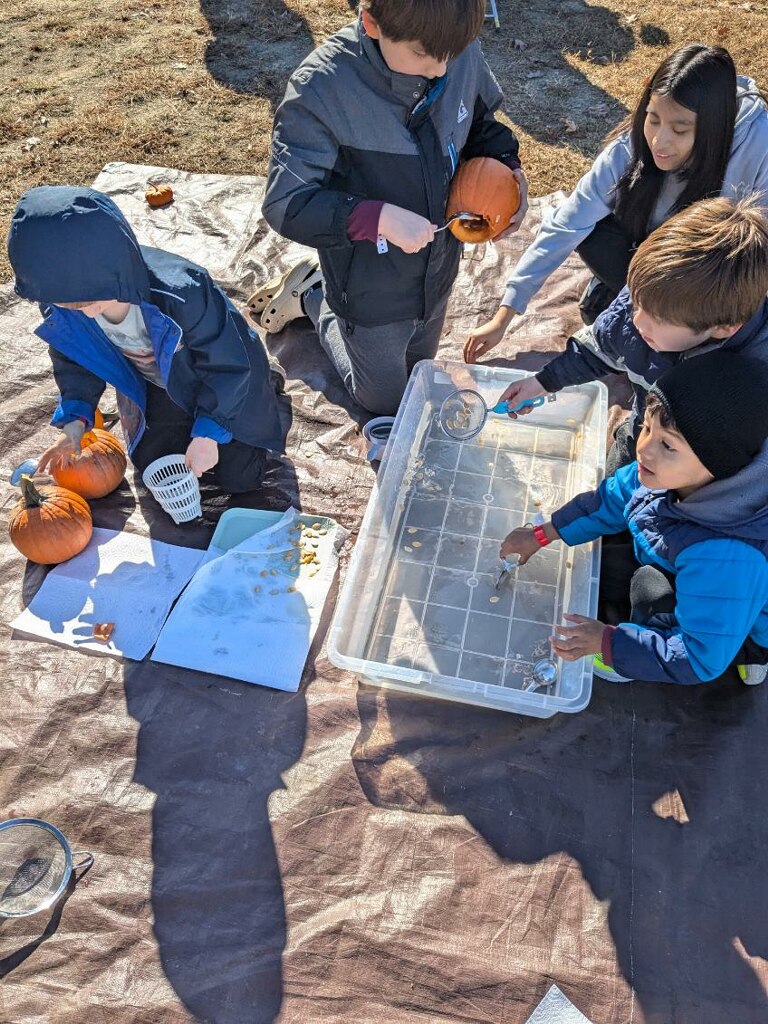
| We Love Pumpkin Recycling! If you brought your pumpkin to the chunkin slingshot at the Village of Sleepy Hollow’s Fall Festival, we may have seen you at our pumpkin play area, pictured below. Pumpkins decompose more easily if they’re smashed first! If you still have pumpkins at your house, bring them to Peabody before or on December 7th so they can be chunked into the Pumpkin Recycling Area; they’ll feed animals and the soil in the months to come–more event details below! |

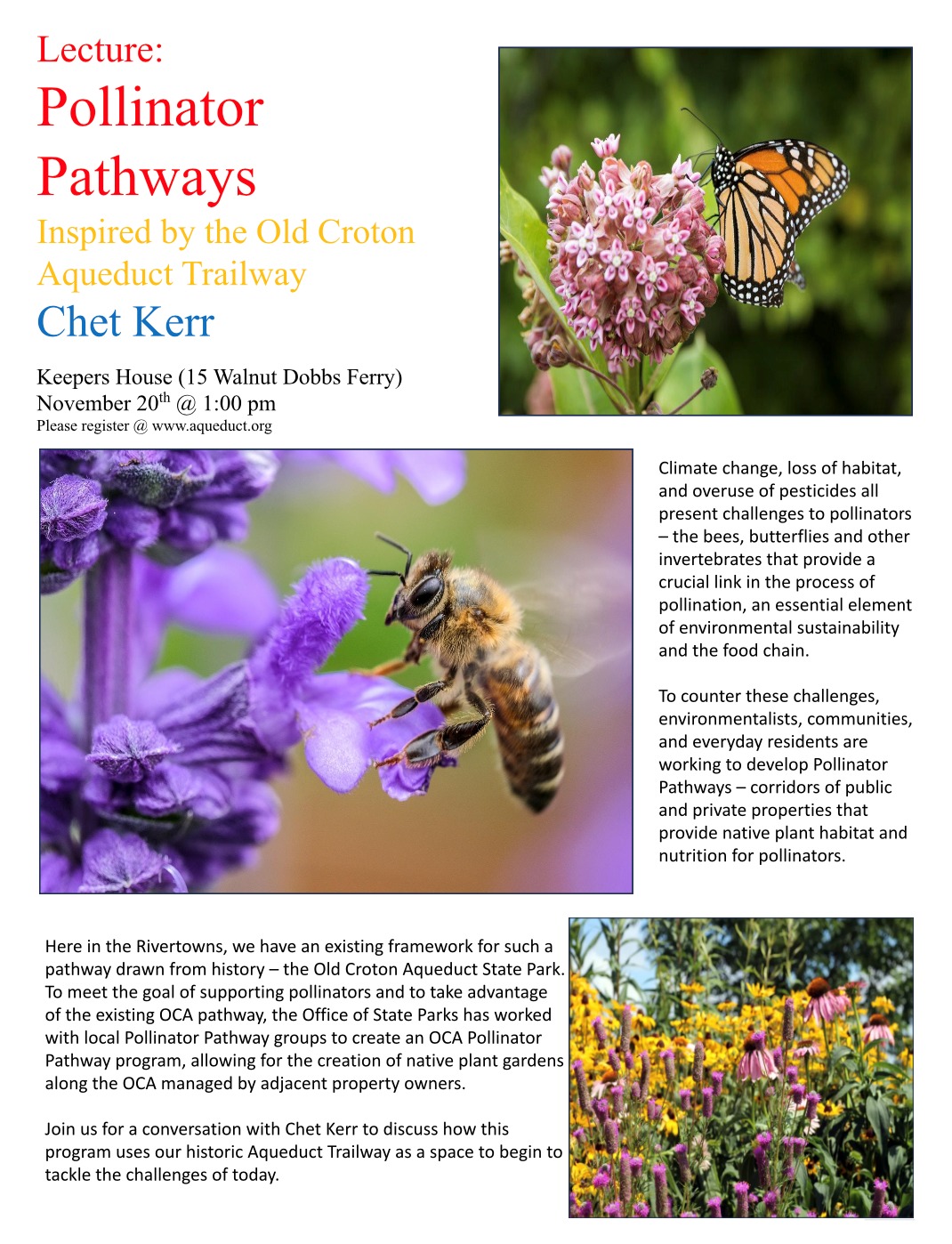
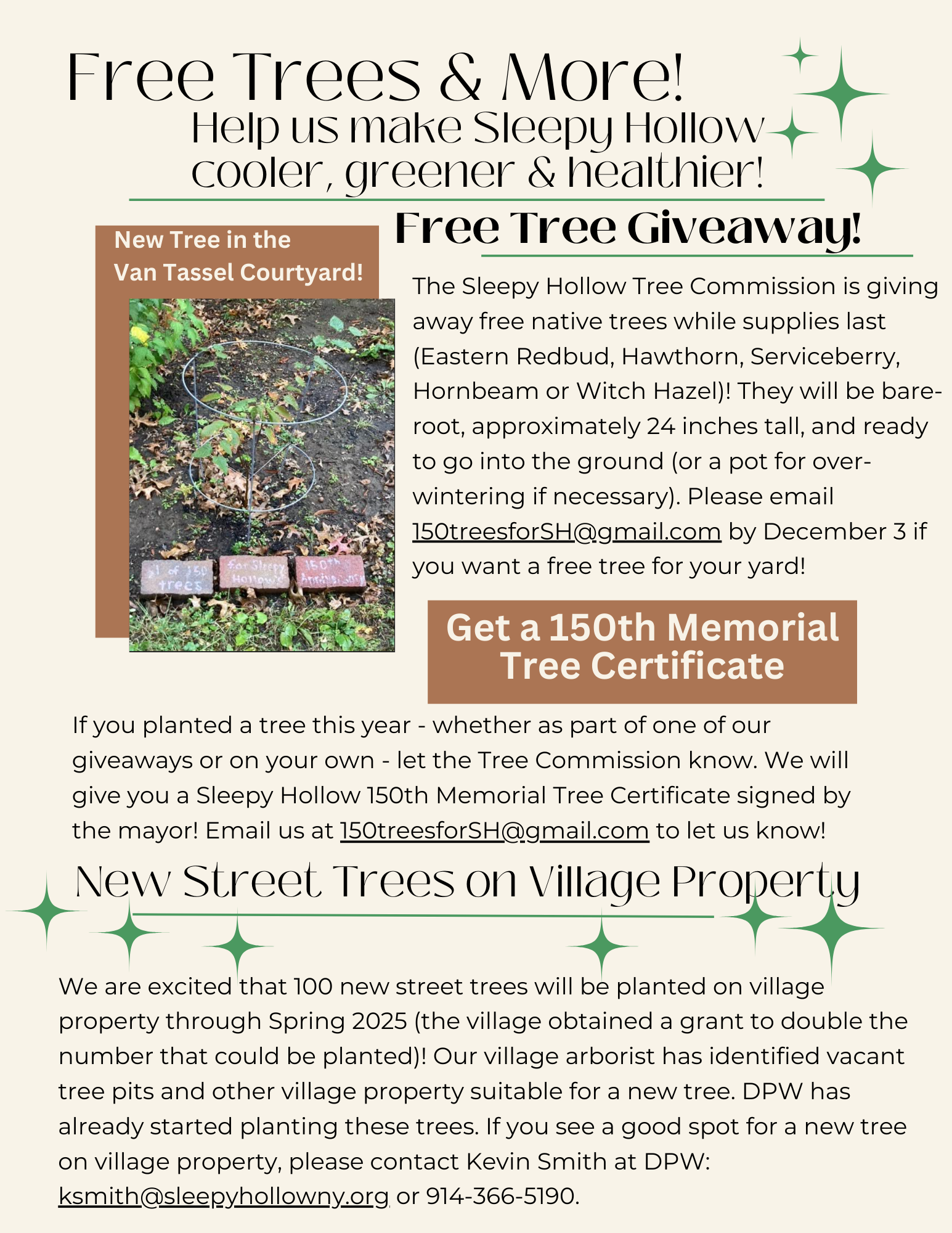
Saturday, 12/7 brings a zero waste event double header–Mark your calendar now!


Drought Watch! Time to Conserve Water
______________________
Adapted from a post by the TEAC Landscape Committee
November is our third month with no meaningful rainfall 😦 Westchester County and NYC’s Department of Environmental Protection have issued a drought watch this week with guidelines for conserving water. Please do what you can:
| Turn off the faucet while shaving, washing up, brushing teeth, and washing dishes. Fix dripping and leaking faucets and toilets. Don’t run the tap to make water cold or hot. Put a plastic jug filled with water in the tank of conventional toilets. Throw used facial tissues into the waste basket instead of using the toilet as a waste basket. Wash only full loads of dishes and laundry. Install water-saving plumbing fixtures. Take shorter showers or fill the bathtub only part way. More ways to conserve water can be found on the State DEC website. |
And what’s a gardener to do without the water we’re used to?
Water: All living things need water, even drought tolerant plants. Water your perennial gardens and young trees deeply once a week until a hard freeze if there is no rain. Newly planted trees and shrubs need 1” of water per week for the first two years to develop strong roots and thrive.
Wildlife: It’s a difficult time for wildlife as natural water sources evaporate; animals need our help to survive. Please keep your birdbath filled or provide shallow containers of water for birds, squirrels and others.
Leaves: Tell your landscaper to stop blowing the leaves from your lawn and to mulch mow them instead. Mulched leaves enrich the top soil and protect plant roots, especially during droughts. Add clover to your lawn as it withstands drought and stays green much longer than lawn grasses. Leave whole leaves in all other areas of your property to provide natural mulch that will break down into rich soil and shelter overwintering pollinators. The din of gas powered leaf blowers roaring away on 70 degree November days seems very wrong; we can do better, starting in our own yards.
Planting is an act of optimism; it expresses our belief and hope for a better future. This is the time to collect seeds from your garden, to plan for winter seeding of native plants and to evaluate what did well for you this season. We will be searching for resilient native plants and long blooming pollinator friendly annuals to help us navigate this new normal. Visit the Tarrytown Pollinator Pathway for a great list of native plants that will enhance your landscape in these changing times.

 Sustainable Sleepy Hollow
Leave a comment